Source Drum Pedal Shaft for Bass, Auto, and Motorcycle
Find 30 drum pedal shaft options for bass, auto, and motorcycle applications. Compare compression springs, CNC parts, and steel components from Chinese manufacturers. Evaluate specifications, tolerances, and surface treatments to select the right industrial or musical gear; compare the available evidence and request quotations based on your requirements.
Key considerations
Products List


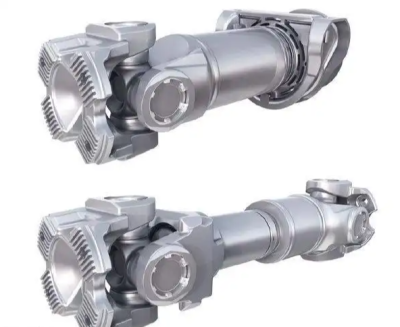


$100.00 - $250.00
Moq: 1


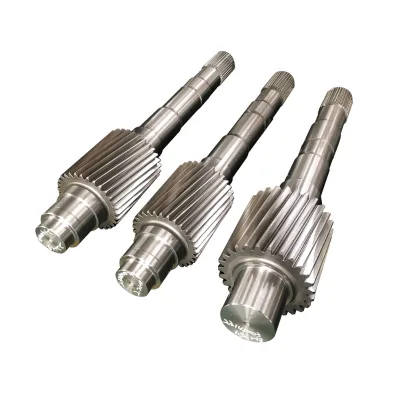


Comprehensive Sourcing Guide
Drum Pedal Shaft Sourcing Guide
Sourcing a drum pedal shaft requires balancing mechanical precision with material durability, as these components endure high-frequency impact and torsional stress. Buyers must prioritize suppliers who offer CNC processing customization to ensure exact dimensional accuracy for specific pedal designs. The observed market includes metal casting, forging, and spinning machinery parts, indicating that shafts are often integrated into broader metal processing systems. Understanding the specific machining type, such as CNC milling or turning, is essential for verifying surface finish and structural integrity before committing to bulk orders.
The supply chain for these components is heavily concentrated in China, with manufacturers in regions like Wenzhou offering factory OEM services. This geographic concentration allows for competitive pricing but necessitates rigorous verification of production capabilities. Buyers should look for suppliers who provide detailed drawing formats, including DWG, PDF, STEP, and IGES, to facilitate precise engineering alignment. Customization is widely available, allowing for tailored wire ranges and winding directions, which is critical for adapting standard shafts to unique bass drum pedal mechanisms or industrial applications.
Product Scope and Observed Listing Signals
The product scope encompasses a wide variety of metal components, ranging from simple compression springs to complex CNC-machined shafts. Observed listings highlight products like the MN-Z00363 and DF2101303, which serve diverse applications in metal coating, drawing, and engraving machinery. While some items are explicitly labeled as drum pedal parts, others are generic metal processing parts that may be adapted for musical instrument use. Buyers must carefully distinguish between specialized musical hardware and general industrial metal parts to ensure compatibility with their specific pedal assembly requirements.
Listing signals indicate a strong emphasis on customization, with many suppliers offering tailored solutions for shape, size, and surface treatment. The presence of models like the MTZ T80 suggests a focus on high-precision journal diameters and surface roughness, which are critical for smooth pedal operation. Additionally, the availability of various anodizing colors and electroplating options allows for aesthetic customization alongside functional performance. Buyers should review the specific product model numbers to verify that the listed attributes, such as load type or function, align with the mechanical demands of their drum pedal design.
Technical Specifications to Verify
Technical verification begins with confirming the material composition, which is typically steel or other metals suitable for high-stress applications. Buyers must verify the wire range, which can vary from 0.1mm to 12mm, to ensure the shaft thickness matches the pedal’s torque requirements. The winding direction, whether left or right, and the end type, which can be customized, are critical for proper installation and functionality. Additionally, the production process, such as cold rolling or CNC processing, significantly impacts the material’s grain structure and overall durability under repeated impact.
Surface treatment and dimensional accuracy are equally important for long-term performance. Specifications such as trivalent zinc coating with a thickness of 8-10 micrometers provide essential corrosion resistance, while anodizing options offer additional protection and aesthetic appeal. Buyers should verify the journal diameter dimensional accuracy, aiming for IT6-IT7 standards, and surface roughness between 0.63-0.16μm for optimal bearing fit. Tolerance levels, often adhering to GB Standard Grade II or customer-specific requirements, must be clearly defined to prevent assembly issues and ensure consistent performance across production batches.
Compliance and Safety Documentation
Compliance documentation is a critical component of the sourcing process, with many suppliers providing certifications such as ISO9001, SGS, RoHS, CE, and TS16949. These certifications indicate adherence to international quality management and environmental standards, which is particularly important for products exported to regulated markets. Buyers should request valid certificates to verify that the manufacturing processes meet specific safety and quality benchmarks. The presence of these certifications also suggests a mature quality control system, reducing the risk of defects in high-volume orders.
In addition to certifications, buyers must verify material standards, such as GB 4357-09 or equivalent, to ensure the metal composition meets industry expectations. Testing methods, including random sample inspections and AQL 1.0 levels, provide a statistical basis for quality assurance. Buyers should confirm that the supplier conducts rigorous testing for spring rate tolerance, typically within +-3% to 10%, to ensure consistent performance. Documentation should also include details on packing methods, such as OPP bags with blank cartons, to protect components during transit and prevent damage.
Cost Drivers and Commercial Terms
Cost drivers for drum pedal shafts include material selection, machining complexity, and surface treatment requirements. CNC processing customization and multi-axis machining generally increase costs compared to standard off-the-shelf components. Buyers should consider the impact of wire range and end type customization on pricing, as these factors require additional setup and programming time. Volume discounts are often available, with MOQs ranging from 1 to 10,000 units, allowing buyers to negotiate better rates for larger orders while maintaining flexibility for prototyping.
Commercial terms such as warranty and packing specifications also influence the total cost of ownership. A standard 12-month warranty provides assurance against premature failure, while packaging options like cartons and outer wooden cases ensure safe delivery. Buyers should clarify lead times and shipping terms to avoid delays in production schedules. Additionally, the availability of customized standards and models allows for tailored solutions that may offer cost savings through optimized design. Clear communication of these terms helps in accurate budgeting and risk management.
Supplier Qualification and Quality Control
Supplier qualification involves assessing their manufacturing capabilities, quality control systems, and track record. Buyers should verify the supplier’s ability to handle various machining types, including CNC milling, turning, and 5-axis machining, to ensure they can meet complex design requirements. The presence of a factory OEM business model indicates a direct manufacturing source, which can offer better pricing and communication. Buyers should request samples to evaluate the physical quality, surface finish, and dimensional accuracy before placing bulk orders.
Quality control processes, such as random sample inspections and adherence to AQL levels, are essential for maintaining consistency. Buyers should inquire about the supplier’s testing methods for spring rate tolerance and surface treatment thickness to ensure compliance with specifications. The use of standardized packing methods, such as OPP bags and cartons, helps protect products during shipping. Additionally, suppliers with ISO9001 certification typically have robust internal quality management systems, reducing the risk of defects and ensuring reliable supply chain performance.
Long-Term Procurement Checks
Long-term procurement checks focus on supplier stability, continuous improvement, and adaptability to changing market needs. Buyers should monitor the supplier’s ability to maintain consistent quality over time, especially as order volumes increase. Regular audits of the production process and quality control systems can help identify potential issues early. Buyers should also evaluate the supplier’s responsiveness to design changes and their ability to accommodate new standards or certifications as regulations evolve.
Building a strong relationship with the supplier is crucial for long-term success. Open communication regarding technical specifications, delivery schedules, and quality expectations helps prevent misunderstandings and ensures smooth operations. Buyers should consider the supplier’s capacity to handle custom orders and their willingness to collaborate on product improvements. Additionally, staying informed about industry trends and technological advancements in metal processing can help buyers make informed decisions and maintain a competitive edge in their respective markets.
FAQs
What materials are used for drum pedal shafts?
Drum pedal shafts are typically manufactured from metal, with steel being a common choice for durability. These components are designed to withstand high compression loads and mechanical stress. The material selection ensures longevity and performance in industrial and musical applications, meeting various standard requirements for strength and resilience.
Can drum pedal shafts be customized for specific needs?
Yes, customization is available for drum pedal shafts to meet unique application requirements. Buyers can specify dimensions, shapes, and surface treatments such as anodizing or electroplating. This flexibility allows for tailored solutions in metal casting, forging, and other machinery, ensuring the parts fit precisely into existing systems or new designs.
What certifications do drum pedal shaft suppliers hold?
Reputable suppliers often hold certifications such as ISO9001, SGS, RoHS, CE, and TS16949. These credentials verify that the manufacturing processes and quality management systems meet international standards. Buyers can rely on these certifications to ensure product safety, environmental compliance, and consistent quality in industrial and automotive applications.
What surface treatments are applied to metal parts?
Common surface treatments include anodizing, electroplating, spraying, and electrophoresis. Anodizing offers colors like gloss, matte, black, red, green, blue, purple, and clear. These treatments enhance corrosion resistance and aesthetic appeal, protecting the metal substrate while providing specific functional benefits for machinery parts and industrial components.
What is the typical packaging for these components?
Components are typically packed in cartons, with some items using outer wooden cases for added protection. Smaller parts may be packed in OPP bags within blank cartons. Standard carton sizes are often around 23x23x31 cm. This packaging ensures safe transit and storage, minimizing damage during shipping and handling.
What machining types are used for production?
Production utilizes CNC milling, CNC turning, and 5-axis machining for precision. These methods allow for complex geometries and tight tolerances. The processing method supports customization, enabling the creation of specific shapes and dimensions required for various applications, from musical instruments to heavy industrial machinery parts.